Garden guide
Topsoil vs Compost: What's the Difference?
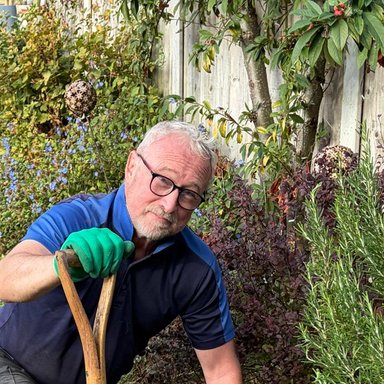
Written with Paul. A full-time working gardener. After years in the City, Paul packed it all in, retrained at Writtle College, and has gardened for a living ever since. The “Paul” notes in this guide are his real advice from real jobs.
The short version
Topsoil is the mineral soil that forms the bulk of beds and lawns — you use it to raise levels, fill beds and prepare ground. Compost is decomposed organic matter — a feed and soil improver, not a filler.
When you need topsoil
Raising low spots, filling raised beds (the bottom two-thirds), building up borders, and giving new turf or seed 10–15cm of decent soil to root into. Buy screened topsoil — it's had the stones and roots removed.
When you need compost
Mixing into the top 5–10cm of tired soil, mulching around hungry plants, filling pots and baskets, and topping up raised beds each spring. It's rich but it shrinks as it rots — never fill a bed with compost alone.
The money-saving combo
Fill raised beds with topsoil for the bulk, then mix compost into the top 10–15cm where roots actually feed. You'll spend about a third of an all-compost fill and get better soil structure into the bargain.
How much to order
Both are sold by the litre in bulk bags (about 730L) and handy bags. Our topsoil calculator works out the volume from your bed size and depth, then finds the cheapest option.
Paul's note
The 60/40 fill is exactly how Paul builds raised beds for clients — topsoil for the bulk, compost worked through the top spit where the roots feed. He's yet to have one fail, and the saving against an all-compost fill is real money on any decent-sized bed.